Checked against official state laws and government sources. Laws and fines change, so confirm with the sources listed at the end.
Texas has no single statewide school zone speed limit. Cities, counties and TxDOT set each school zone after a traffic study, and most active zones are posted at 20 mph with flashing lights or posted hours. A school zone speeding ticket carries the normal traffic fine of up to $200 plus court costs, a $50 state traffic fine and, inside city limits, an extra $25 school crossing zone fine. Official court schedules show totals of about $285 to $360 for typical school zone tickets.
Key facts
- School zone limits are set locally under Transportation Code § 545.356 and related sections. TxDOT guidance says not to post a school limit above 35 mph, and 20 mph when flashing is the most common sign.
- TxDOT guidance runs zones about 45 minutes before school, during lunch and for 30 minutes after school. Always follow the beacons or the hours on the sign.
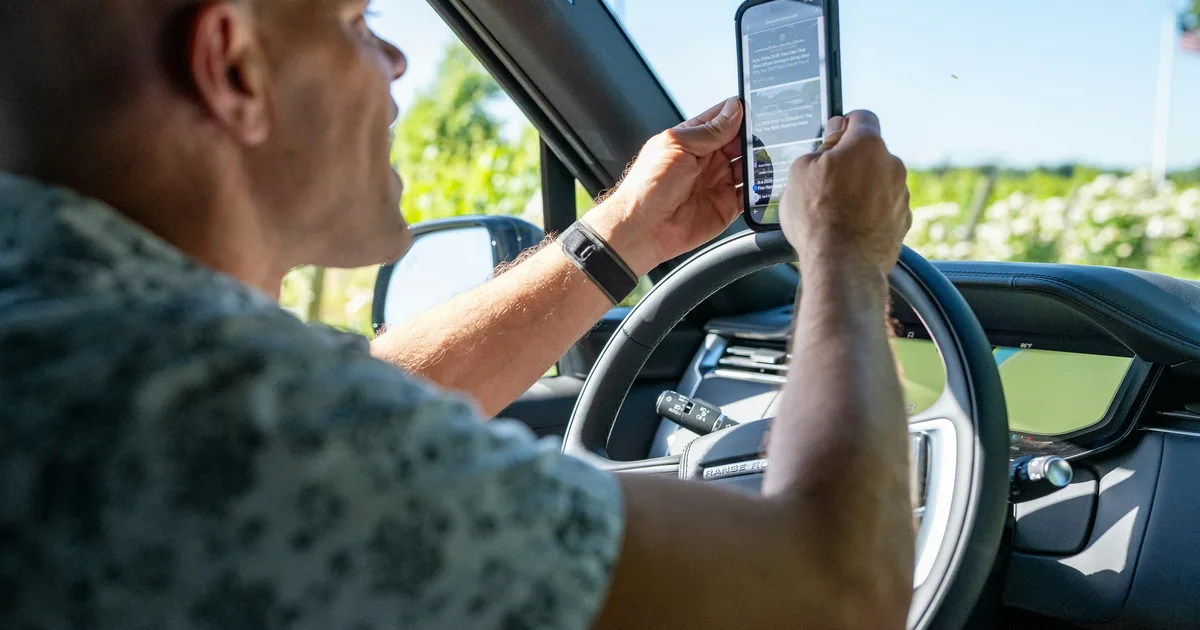
- Using a hand held phone while driving through an active school crossing zone is illegal under § 545.425. Hands free use is allowed.
- A conviction for an offense in a school crossing zone adds a $25 fine under Code of Criminal Procedure art. 102.014, on top of the regular fine and costs.
- Texas ended the Driver Responsibility Program and its point surcharges in 2019, but four moving violation convictions in 12 months can still lead to a license suspension.
- Texas cities cannot run speed cameras, and red light cameras have been banned statewide since 2019.
Texas school zone speed limit
Texas law does not write one school zone number into the statute books. Instead, the Transportation Code gives the Texas Transportation Commission, counties and cities the power to change prima facie speed limits after an engineering and traffic investigation. For cities, that authority is in Texas Transportation Code § 545.356, which lets a city lower limits by ordinance on any street inside its limits, including state highways.
Schools also have a direct line to the process. Under § 545.357, if a public school district, private school, charter school or college asks, the city, county or Transportation Commission must hold a public hearing at least once a year on speed limits near that school. After the hearing, the school can request an engineering and traffic investigation, and the local government can then change the limit.
TxDOT's Procedures for Establishing Speed Zones manual guides how low a school limit should go. On roads where the 85th percentile speed is 50 mph or less, the school limit should be no more than 15 mph below that speed or the normal posted limit. The manual says it is not advisable to set a school limit above 35 mph, and fast roads need a buffer zone to step drivers down to 35 mph.
In practice, the sign most Texas drivers see reads "School Speed Limit 20 When Flashing." TxDOT's Dallas District, which programs flashers for more than 200 schools and districts in North Texas, shows exactly that sign in its 2026 back to school story. Some zones on faster roads are posted at 25, 30 or 35 mph, so read the number on the sign rather than assuming 20.
The normal speed rules still apply on top of the posted limit. § 545.351 requires a speed that is reasonable and prudent, and it specifically requires drivers to slow down when a special hazard exists, such as pedestrians. A driver can be cited for going too fast for conditions near a crowded school even when under the posted number.
What "school crossing zone" means in Texas
Texas statutes use the term "school crossing zone" rather than "school zone." § 541.302 defines it as a reduced speed zone designated by a local authority to help children cross the street going to or leaving a public or private elementary or secondary school, during the time the reduced limit applies.
That definition matters because several rules only apply inside a school crossing zone while it is active: the phone ban, the $25 school crossing zone fine and many cities' higher school zone fine schedules.
Texas school zone hours
There is no statewide clock for Texas school zones. Each zone runs on the schedule shown by its signs: either flashing beacons with a "When Flashing" plate, or a sign that lists specific hours. For a broader look at how zone times work across the country, see our guide to school zone hours.
TxDOT's school speed zone guidance says reduced school zones are generally in effect during three windows:
- From about 45 minutes before school opens until classes begin.
- From the start to the end of the lunch period.
- For 30 minutes starting when school lets out.
Beacon hours can be extended for school events if the district and the agency that runs the flashers agree. Many flashers are now controlled from a central system, so they follow the district calendar and stay dark on holidays and during summer break.
How much is a school zone ticket in Texas?
The honest answer is that it depends on the court. Texas sets the legal range and a few add on fines, then each city or county court sets its own schedule. Here is how the pieces fit together.
- The base fine. Speeding has no special penalty section, so the general penalty in § 542.401 applies: a fine of $1 to $200.
- The state traffic fine. § 542.4031 adds a $50 state traffic fine to every conviction under the rules of the road, including deferred dispositions.
- The school crossing zone fine. Code of Criminal Procedure art. 102.014(c) says a person convicted of a rules of the road offense committed within a school crossing zone "shall pay a fine of $25." The statute says it is assessed only in a municipality, and the money funds school crossing guard and child safety programs.
- Court costs and local fees. These vary by court and are usually folded into the amount on the court's schedule.
Texas does not double school zone fines by statute. The only statewide doubling rule in this part of the code, § 542.404, applies to construction and maintenance work zones when workers are present. Many courts still charge noticeably more for school zone offenses through their own schedules.
Real examples from Texas courts
Two official court pages show how much local schedules differ. The Town of Prosper lists totals that include court costs, while the Travis County Justice of the Peace, Precinct 1 court uses a per mile formula plus court costs.
| Miles over the limit | Prosper, regular zone | Prosper, school zone |
|---|---|---|
| 1 to 10 mph | $240 | $285 |
| 11 to 15 mph | $280 | $335 |
| 16 to 20 mph | $320 | $349 |
| 21 to 24 mph | $334 | $359 |
| 25 mph and over | Must appear in court | Must appear in court |
Source: Town of Prosper Fines and Costs, amounts include court costs. In Travis County JP Precinct 1, the posted formula is $10 per mile over the limit plus court costs on a regular road and $20 per mile over plus court costs in a school zone. Under that formula, a driver going 35 mph in a 20 mph school zone would owe $300 plus court costs.
The phone ban carries its own price tag too. The City of Frisco's fine schedule lists $359, including state court costs, for using a wireless communication device in a school zone. Always check your own court's schedule or call the clerk before paying. Our national guide to school zone ticket costs compares Texas with other states.
Texas school zone phone law
Texas has two separate phone rules that matter near schools.
The hand held ban in school crossing zones
§ 545.425(b) bars drivers from using a wireless communication device while driving through a school crossing zone unless the vehicle is stopped or the device is used with a hands free device. That covers calls, not just texting. A hands free device is one that lets you use the phone without either hand, except to turn the feature on or off.
The law has a few important details:
- Signs are required. A local authority that enforces the ban in a school crossing zone must post a sign at each entrance saying phone use is prohibited and violators face a fine. A missing sign is a defense, unless the city bans phone use citywide and posts signs at its borders instead.
- Emergency calls are a defense. Calling 911, a hospital, fire department, doctor's office or police is an affirmative defense.
- School bus drivers face a stricter rule. Under § 545.425(c), a school bus or passenger bus driver may not use a phone at all while a minor is on board unless the bus is stopped.
A second section, § 545.4252, extends the same hands free rule onto the property of a public elementary, middle, junior high or high school where a school crossing zone has been designated, while the reduced limit is in effect. That covers pickup lines and campus driveways.
Section 545.425 does not set its own fine amount, so the general penalty of up to $200 under § 542.401 applies, plus the $50 state traffic fine and court costs. The Frisco example above shows how that adds up in one city.
The statewide texting ban
Everywhere in Texas, § 545.4251 bars reading, writing or sending an electronic message on a portable device while driving unless the vehicle is stopped. A first offense carries a fine of $25 to $99 and a repeat offense $100 to $200. If texting causes a death or serious bodily injury, it becomes a Class A misdemeanor with a fine of up to $4,000 and up to a year in jail. Navigation, music and hands free use are defenses. For other states' rules, see phone use in school zones.
Passing a stopped school bus
School bus violations are the most expensive mistake a Texas driver can make near a school. Under § 545.066, you must stop when a school bus is stopped to load or unload children with its visual signals on, and wait until the bus moves, the driver waves you on or the signals turn off.
| Offense | Penalty under § 545.066 |
|---|---|
| First offense | Fine of $500 to $1,250 |
| Second offense within five years | Fine of $1,000 to $2,000, and the court may suspend your license for up to six months |
| Causing serious bodily injury | Class A misdemeanor |
| Serious bodily injury with a prior conviction for the same | State jail felony |
Drivers on the other side of a divided highway do not have to stop, but a center left turn lane does not count as a divider. A school bus conviction in a city also carries the extra $25 fine under art. 102.014(c), in addition to other court costs.
Points, surcharges and defensive driving
The point system is gone, but suspensions are not
Texas repealed the Driver Responsibility Program through House Bill 2048, effective September 1, 2019. According to the Texas Department of Public Safety, no new surcharges will be assessed, DPS no longer assesses program points for moving violations, and points assessed earlier were removed from records.
Convictions still go on your driving record, and they still count. Under § 521.292, DPS must suspend the license of a habitual violator, defined as a driver with four or more moving violation convictions from separate incidents within 12 consecutive months, or seven or more within 24 months. Drivers under 18 face suspension after two moving violations in 12 months. Insurers can also see convictions when they set rates.
Can you take defensive driving for a school zone ticket?
Usually yes. Texas justice and municipal courts offer a driving safety course dismissal to eligible drivers under Code of Criminal Procedure art. 45A.352. You generally qualify if you:
- Hold a Texas license or permit, or are active duty military or a military spouse or dependent.
- Have not completed a driving safety course in the 12 months before the offense date.
- Plead guilty or no contest and request the course on or before the answer date on your citation.
- Show proof of insurance.
Speeding at 95 mph or more, or 25 mph or more over the limit, is excluded. That rule bites in school zones. A driver going 44 mph in a 20 mph zone is 24 over and can still ask for the course, while a driver going 45 mph is 25 over and cannot. Commercial license holders are excluded under art. 45A.351.
The Texas Municipal Courts Education Center's 2026 bench book chapter also lists passing a school bus, failing to remain at a crash scene and certain work zone offenses with workers present among the charges that are not eligible. A school zone speeding or phone ticket is not on that list. Even when the charge is dismissed, the court can charge court costs and a fee to obtain your driving record.
Are there speed cameras in Texas school zones?
No. Texas has banned city speed cameras for years. § 542.2035, added in 2007, says a municipality may not implement or operate an automated traffic control system to enforce posted speed limits. The attorney general enforces the ban.
Red light cameras followed in 2019. House Bill 1631 added § 707.020, which bars any local authority from operating a photographic traffic signal enforcement system on its streets. So a Texas school zone ticket comes from an officer, not a camera. To see which states do allow cameras near schools, read our school zone speed cameras guide.
Because officers patrol school zones by hand, enforcement is concentrated at arrival and dismissal times, exactly when flashers are on. If you drive the same routes every day, an app like SchoolSlow can warn you as you approach a school zone so you are already slowing down when the beacons come into view. For the limits in other states, see school zone speed limits by state.
Frequently asked questions
What is the school zone speed limit in Texas?
There is no single statewide number. Cities, counties and TxDOT set each school zone after a traffic study, and the most common posted limit is 20 mph when the lights are flashing. TxDOT guidance advises against school limits above 35 mph, so always obey the number on the sign.
How much is a school zone ticket in Texas?
It depends on the court. State law sets a fine of up to $200, adds a $50 state traffic fine, and adds a $25 fine for offenses in a school crossing zone, plus court costs. Official schedules show examples like $285 for 1 to 10 mph over in Prosper, while Travis County JP Precinct 1 charges $20 per mile over plus court costs.
Are school zone fines doubled in Texas?
Not by state law. Texas doubles fines only in construction and maintenance work zones when workers are present under § 542.404. School zone offenses carry the extra $25 school crossing zone fine, and many courts set higher school zone amounts on their own schedules.
Can I use my phone in a Texas school zone?
Only hands free, or when your vehicle is stopped. § 545.425 bans using a wireless device while driving through an active school crossing zone, and § 545.4252 extends the ban to public school property during school zone hours. Emergency calls are a defense.
What are Texas school zone hours?
Each zone follows its own signs. TxDOT guidance runs zones from about 45 minutes before school until classes start, during lunch, and for 30 minutes after school. If the sign says "When Flashing," the reduced limit applies only while the beacons flash.
Can I take defensive driving for a school zone speeding ticket in Texas?
Usually yes, if you have not taken a driving safety course in the past 12 months and request it by your answer date. You are not eligible if you were going 25 mph or more over the limit or 95 mph or more, or if you hold a commercial license.
Does a school zone ticket add points to my Texas license?
Texas no longer assigns surcharge points since the Driver Responsibility Program was repealed in 2019. The conviction still appears on your record, and four moving violation convictions in 12 months or seven in 24 months can lead to a license suspension.
Does Texas use speed cameras in school zones?
No. Texas law bars cities from operating speed cameras under § 542.2035, and since 2019 § 707.020 bars red light cameras as well. School zone tickets in Texas are written by officers.
Sources
- Transportation Code § 545.356, Authority of Municipality to Alter Speed Limits, Texas Legislature, accessed November 2026.
- Transportation Code § 545.357, Consideration of Speed Limits Where Certain Schools Are Located, Texas Legislature, accessed November 2026.
- Procedures for Establishing Speed Zones: Developing Strip Maps, Texas Department of Transportation, accessed November 2026.
- TxDOT preps school zone flashers, Texas Department of Transportation, August 18, 2026, accessed November 2026.
- Transportation Code § 545.351, Maximum Speed Requirement, Texas Legislature, accessed November 2026.
- Transportation Code § 541.302, Traffic Control Terms, Texas Legislature, accessed November 2026.
- Procedures for Establishing Speed Zones: School Speed Zones, Texas Department of Transportation, accessed November 2026.
- Transportation Code § 542.401, General Penalty, Texas Legislature, accessed November 2026.
- Transportation Code § 542.4031, State Traffic Fine, Texas Legislature, accessed November 2026.
- Code of Criminal Procedure art. 102.014, Fines for Child Safety Fund, Texas Legislature, accessed November 2026.
- Transportation Code § 542.404, Fine for Offense in Construction or Maintenance Work Zone, Texas Legislature, accessed November 2026.
- Fines and Costs, Town of Prosper, Texas, accessed November 2026.
- Traffic Ticket Fines and Court Costs, Travis County Justice of the Peace, Precinct 1, accessed November 2026.
- Fine Schedule, City of Frisco, Texas, accessed November 2026.
- Transportation Code § 545.425, Use of Wireless Communication Device in a School Crossing Zone, Texas Legislature, accessed November 2026.
- Transportation Code § 545.4252, Use of Wireless Communication Device on School Property, Texas Legislature, accessed November 2026.
- Transportation Code § 545.4251, Use of Portable Wireless Communication Device for Electronic Messaging, Texas Legislature, accessed November 2026.
- Transportation Code § 545.066, Passing a School Bus, Texas Legislature, accessed November 2026.
- Driver Responsibility Program Surcharge Repeal FAQ's, Texas Department of Public Safety, accessed November 2026.
- Transportation Code § 521.292, Department's Determination for License Suspension, Texas Legislature, accessed November 2026.
- Code of Criminal Procedure art. 45A.352, Driving Safety Course or Motorcycle Operator Training Course Dismissal, Texas Legislature, accessed November 2026.
- Code of Criminal Procedure art. 45A.351, Applicability, Texas Legislature, accessed November 2026.
- Bench Book Chapter 5: Driving Safety Courses, Texas Municipal Courts Education Center, January 2026, accessed November 2026.
- Transportation Code § 542.2035, Limitation on Municipalities, Texas Legislature, accessed November 2026.
- Transportation Code § 707.020, Prohibition on Use of Photographic Traffic Signal Enforcement System, Texas Legislature, accessed November 2026.